

From Backlash to Brand Trust: What Marketers Can Learn from Starbucks
Estimated reading time: 2 minutes
No brand is immune to criticism. In today's social media landscape, a single incident can become global news within hours. The real test isn't whether a brand makes a mistake—it's how it responds.
One of the strongest examples of turning a backlash into a brand-building moment comes from Starbucks.
The Backlash
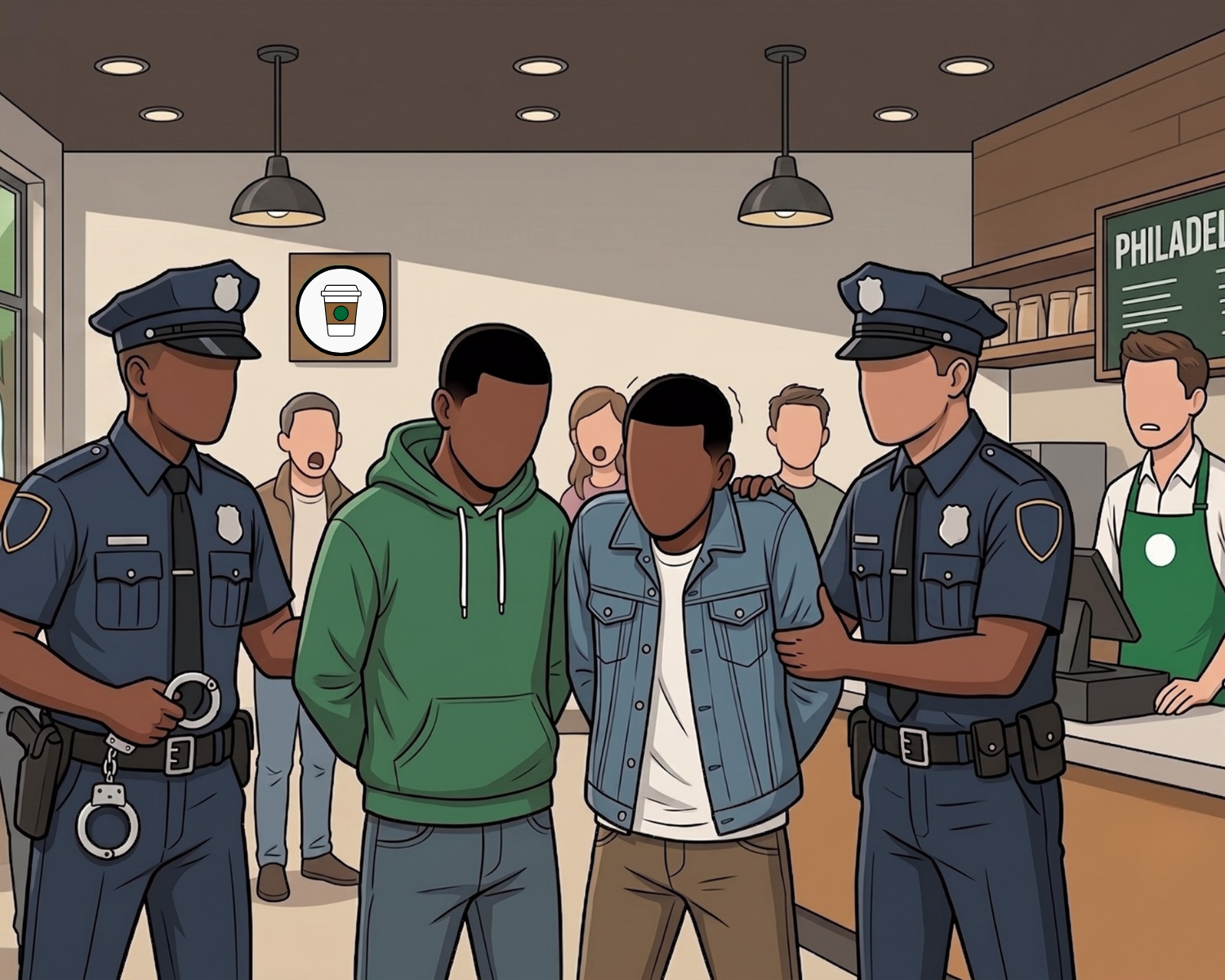
In 2018, two Black men were arrested at a Starbucks store in Philadelphia while waiting for a business meeting. A customer recorded the incident, and the video quickly went viral.
The public questioned whether racial bias played a role, and the story sparked widespread criticism of the company's commitment to inclusion and customer experience.
For Starbucks, the issue wasn't seen as a problem at one store—it became a reflection of the entire brand.
The Response
Rather than staying silent or becoming defensive, Starbucks acted quickly.
The company:
✅ Issued a public apology
✅ Accepted responsibility
✅ Met with the individuals involved
✅ Closed more than 8,000 U.S. stores for racial bias training
✅ Reviewed and updated customer policies
While the backlash couldn't be erased, Starbucks demonstrated that it was willing to take meaningful action—not just issue a statement.
Why It Worked
Many brands apologize during a crisis.
Few are willing to make visible, costly changes.
Starbucks showed customers that it was serious about addressing concerns and improving its practices. The company shifted the conversation from the incident itself to the actions it was taking afterward.
What Marketers Can Learn
1. Respond Quickly
Social media moves fast. Delayed responses often make a situation worse.
2. Take Responsibility
Consumers are more likely to forgive mistakes than excuses.
3. Back Up Your Words
An apology without action can feel performative. Real change builds credibility.
4. Protect Trust, Not Just Reputation
The goal isn't simply to survive a news cycle. It's to maintain long-term customer trust.
The Bottom Line
The Starbucks incident is a reminder that crises don't define brands—responses do.
For marketers, the lesson is simple: when mistakes happen, transparency, accountability, and meaningful action can turn a damaging moment into an opportunity to reinforce your brand values.
In a world where every customer has a platform, trust is one of the most valuable assets a brand can build—and protect.
